Viking Saga: What is your job at Boston University?
Kristina Moore: My job involves teaching undergraduate courses, as well as graduate courses, and a lot of supervision and mentoring. So, much work in psychology means getting hours with direct client contact, so, the students [I work with] get assigned to two sports teams at different colleges, universities, and programs in the Boston area. They are spending at least 20 hours a week at their sites, trying to build relationships with the teams, and doing workshops for the teams, as well as running a lot of one on one with students. My job is to supervise that work.
VS: What is your role with the Boston College lacrosse team?
KM: In addition to my professor job at Boston College, I started to develop some relationships with Boston College athletics. One of the connections was the lacrosse team. In December 2022, I ended up getting connected with their
head coach, Acacia Walker-Weinstein. At the time, I had been doing some consulting as a non-clinical sport
psychologist. I started having a lot of students, asking for sports psychology services. I started working with that
team and was with them for one season, much more in person. I was at practice when I could, and traveled with them to the ACC’s and NCAA. After that year, we decided to focus just on one on one consulting and less on the team aspect.
VS: What does it mean to be a nonclinical sport psychologist?
KM: I have a degree in sport exercise science, and I have some training in counseling, but I’m not a licensed
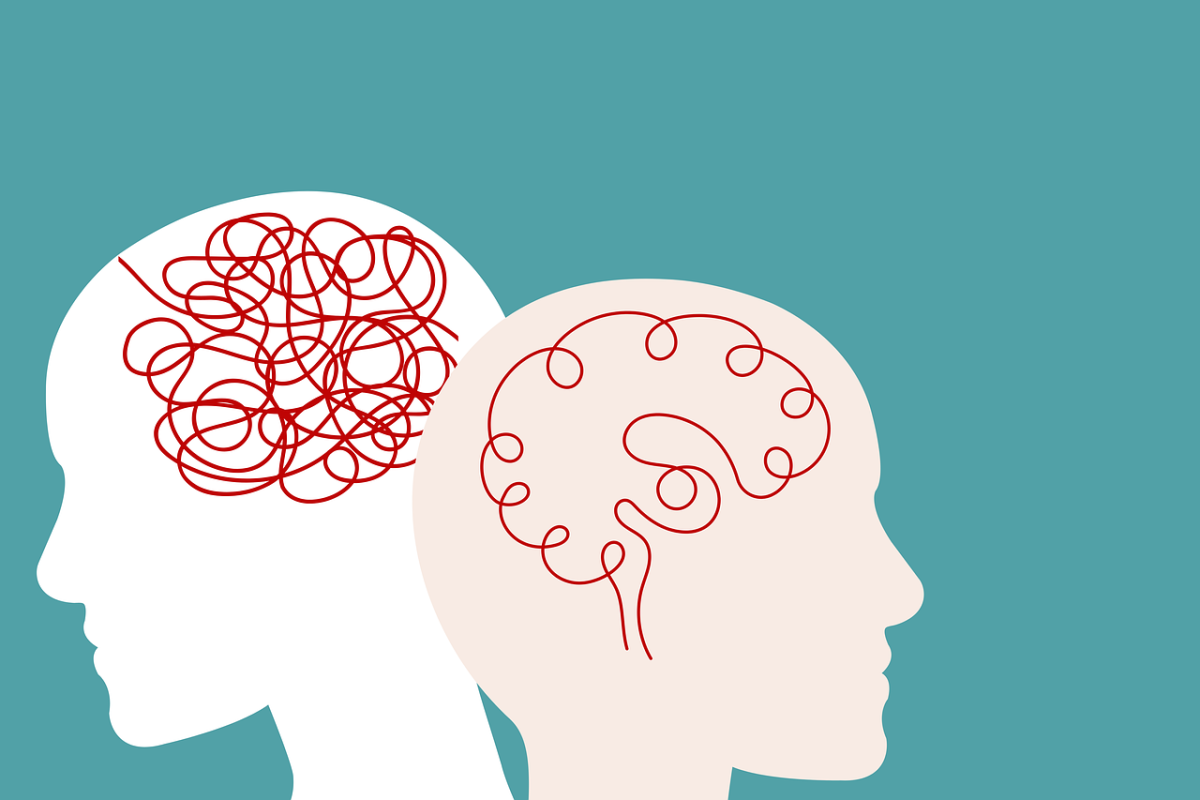
psychologist. And so, if you’re not a mental health provider, but you have your CMPC (Certified Mental Performance Consultant), like I do, you will do performance work. What that means is people are coming to us and saying they’re really nervous before their games, or before my races. They want to work on dealing with their nerves. This is somebody who is responding to pressure related to their sport experience, not an anxiety disorder. That’s purely what we call mental performance. We are trained to be able to recognize when this is a mental health issue, and we will refer them to a licensed psychologist who can help them further.
VS: What advice would you give to someone going into sport psychology, or even psychology in general?
KM: The first thing is to look for an undergraduate program in either psychology or sport exercise science. Or, if it’s possible, some institutions allow you to double major, so then you have a foundation in both areas, because anybody doing work in sport psychology should have backgrounds in both areas. So, that would strengthen your application to any master’s sport psychology master’s program or doctoral program.
Side Note: Moore suggests going to the website https://appliedsportpsych.org/ which is the Association for Applied Psychology. Read and explore the resources on the website because it’s a good place to start for people who are trying to just understand the field. It gives you all of the information about what’s required for the CDMPC, which is the credential that you need to, do sports psych work. Moore stresses the importance of making sure to have the right degree(s) to go into clinical psychology. It is important to be licensed to actually treat mental health conditions. This is especially true as many in the field will not take the proper steps. Sport Psychology can be complicated to get the right degree, so it is important to do research before hand on what you will need to do.