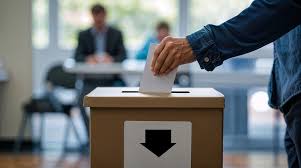
Every spring, high schoolers across the nation cast their “ballots” in their class elections for the upcoming school year, voting for who they think would be the best class president, vice president, and other student representative roles.
Bring yourself back to that Google Form. What went through your head?
Did you vote for your best friends, the funniest speeches, or those you think are actually the most prepared and fit for the position? Kids rarely take time to think about the “Why?” behind their vote, I even hold myself accountable to this, but discussing and consciously thinking about your decisions makes for mature and prepared habits in the future. Making unmindful decisions can result in a lack of knowledge or education regarding certain topics, which is crucial as adults.
In history classes we learn about historic protests and disputes sparked from political division, which are certainly worth learning, as they’re still relevant and happening today. However, we are rarely taught how to engage in productive dialogue with those we disagree with. We are infrequently given the chance to practice having healthy disagreements regarding politics, as they are deemed inappropriate in school settings. School is the place where students will be exposed and given the opportunity to speak to people with differing beliefs the most often; schools should take advantage of that factor. Fostering fruitful, safe political dialogue among students, which should be monitored and directed in an efficient manner, is absolutely possible and necessary.
In 1597, Sir Francis Bacon wrote that “knowledge itself is power,” the idea that acquiring knowledge of the world around you grants influence and capability in your life. The phrase became a philosophical maxim and has influenced many modern political figures and their ideologies. If young adults are willing to take the time to educate themselves on current events or the reputations of political candidates and their value systems, that provides an advantage when it comes time to vote. Knowledge enables an informed and thoughtful decision that accurately reflects the voter’s values, ultimately allowing them to leave the ballot box feeling confident and comfortable.
For many young adults, political conversations at the dinner table are the extent of their knowledge and exposure
to perspectives. Unless a family member is strong-willed and confident in their own ideas, an echo chamber begins that restricts individuality (a very significant part of voting affiliation). Politics can create extremely divisive relationships and can bring out stubbornness, but having a productive conversation with someone who has differing beliefs is better for you than you think. New perspectives are placed in your mind that can lead to new approaches within your own life.
The challenge in doing so is remaining mature and calm, even when a statement is made that you strongly disagree with. The solution is to practice. Disagreements will become easier to manage the more often you’re exposed to them. If you find yourself stuck in a corner in a conversation and possibly lacking information, it is respectable to admit to that and say “That’s a good point, I would have to look more into that,” rather than raising your voice or bluffing to get past that topic.
“Why should politics matter to us if we can’t even vote?” is a popular discussion point I have heard among teenagers. To believe that politics don’t affect children or to believe that, as a teenager, there’s no value in caring can often come from a place of privilege. There are hundreds of government policies that affect children directly. Minorities or
those with limited economic resources are often the ones that are more in tune with new policies because they are affected more often than many white, middle-to upper-class families who may feel less immediate impact. For instance, the “One Big Beautiful Bill Act of 2025” expands work requirements for SNAP beneficiaries as well as tightens Medicaid eligibility.
Another fallacy is feeling as if teenage voices are not effective. According to the League of Women Voters, only 35 percent of young people feel supported to act on their political concerns. Especially in local government, young people are more than capable of being heard. Peaceful protests, petitions, and conversations with local officials are all possible for teens.
Following a school shooting in 2018 at Marjory Stoneman Douglas High School in Florida, student activists founded the #NeverAgain movement which launched nationwide protests like March for Our Lives, all advocating for stricter gun laws. Protests led to the Marjory Stoneman Douglas High School Safety Act, which raised the Florida gun purchase age to 21.
The habits that we create as students determine the strategies that we will build upon as adults. We will make mistakes, but we need to learn how to take accountability for those. These habits go beyond voting.
Whether you decide to engage, question, or stay silent, those choices shape who you become as a decision-maker, advocate, and member of society.
If we want a future of accountability and awareness, it starts with learning. People vote; not a lot of people vote with confidence and care. Which category do you want to fall into?