Imagine a future where we didn’t care for the earth: a barren wasteland, dead plants, starving people and animals. That’s a bit of an over-exaggeration, but that’s what our future could look like if we don’t take action now.
With Earth Day coming up on April 22, the question is: what can you do to stop a future of extinction?
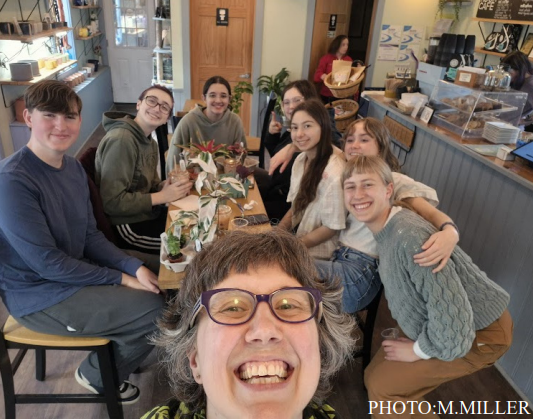
“Compost whenever you can, it’s a major help to the environment,” president of the gardening club and senior Madi Miller Said.
While it seems like a hassle, composting goes a long way in making sure your trash doesn’t get thrown in landfills and burned, hurting the environment more. You can also use it to enrich the soil of plants in a home garden.
“Be mindful of your actions, take a step back and think before you do something that could be bad for the environment,” Miller said.
“The main thing we do is composting, we make sure that the old food and biodegradable trash doesn’t go to waste,”
Miller said. In order for the school to fund the composting operation, the gardening club needs to be doing this consecutively for at least five years. The gardening club composts at lunch, so if you have any trash that is compostable, be sure to give it to someone at the stand.
Another way you can make a difference? Gardening. A major benefit of gardening is the positive environmental impact you make without even knowing. The gardening club does countless things for the environment, not just composting. They go on field trips to plant elsewhere and they take care of the garden in our school. When the gardening club plants plants they don’t only make our school look nicer, they also help improve the environment by
increasing biodiversity and helping to fix our carbon footprint.
In the end, be sure to compost any waste you can, be mindful of your impact on the world, and have a wonderful Earth Day.